Showing posts with label Part 2. People unaware. Show all posts

Tuesday, 27 November 2012

Exercise 15: A public space

This exercise required me to turn my attention from an organised event to a semi-organised space.  I chose Trafalgar Square in London for this.

I had to capture the sense of varied use - how people make their own personal or small group activities within the same general area.

I didn't encounter too many problems photographing here.

A street entertainer poses with a passer by


Sitting on the wall of the National Gallery smoking


The National Gallery


The Tom Show


Fed up


Monday, 26 November 2012

Exercise 14: An organised event

For this exercise I had to research an event, prepare for it and then photograph it.  As it is winter there's less outdoor events on so I had to plan a little harder.  The event had to be one where I would be able to shoot with confidence and variety.

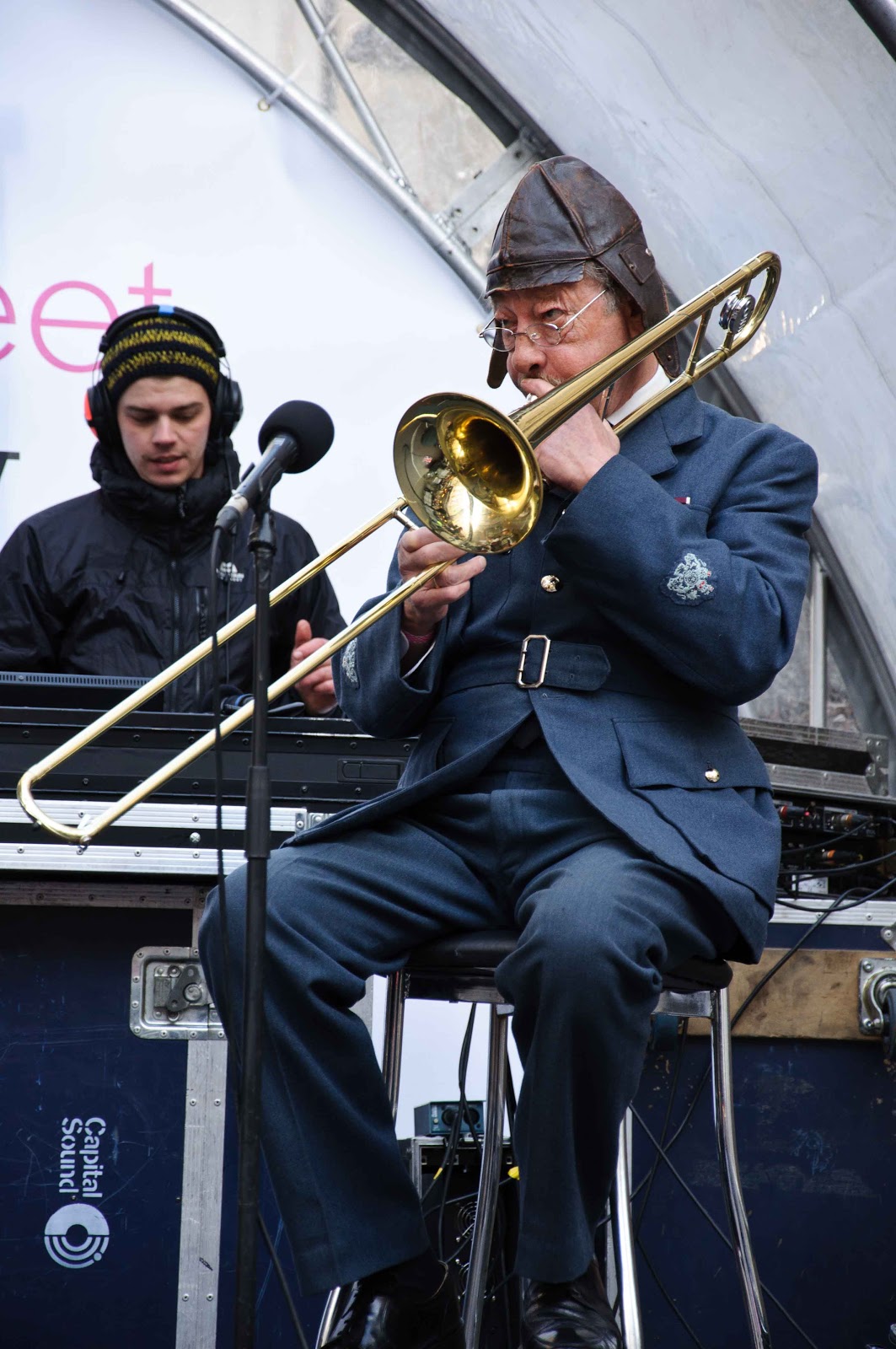
I chose the Regent Street Motor Show.  Although I am not that interested in cars the people involved more than made up for it and it was an enjoyable day.

I had some problems again with shutter speed as it was a dark, overcast day but I increased the ISO to help with this.

I have tried to put the pictures together in some way where they would tell a story.  I think the narrative for this was how when I arrived I started to shoot the first set of cars and their owners and as I moved on the quirkier the owners became and the more enthusiasts I could see.

My aim was to capture the people involved in the day to show what car enthusiasts are truly like!


I think what I enjoyed the mot about this exercise was the fact that the people were happy to have their pictures taken.  This made it a far more relaxing experience and I found that I had more time to think about composing shots rather than worrying about being undetected by my subjects. 

There was a huge variety of potential subjects at this event too and I took several hundred images in total.  


Exercise 13: Standard focal length

Standard focal length for a full frame camera is 50mm.  As I was using a smaller sized sensor the equivalent full frame focal length was between 27mm and 32mm.

I found shooting like this quite natural as the shot you get is as your naked eye would see before you.  However, I did find that you still had to get pretty close to your subjects and were therefore easily spotted.  I think also because I was working with a zoom lens there was the temptation to zoom in or out to get a better shot rather than move in closer.  

The people look in proportion and as would expect them in relation to the buildings

This woman coming out of the tube station looks as you would expect to see her.  There is an element of closeness.  


I feel moving forward that it would be best to pick a lens you are comfortable with and shoot with that as for these series of exercises I found that I had only got comfortable using one when I had to move on to another.  At times it was a little challenging to adapt.  

Advantages:

  • What you see is what you get
  • If working with a prime lens you can get used to physically moving to zoom in and out 
  • No distortion to worry about 
  • Can still give the viewer a sense of being involved in the shot
  • Enjoyable for the photographer to feel part of the scene
  • Less chances of people getting in the way when shooting

Disadvantages:
  • People can become aware of what you are doing
  • Sometimes it is good to have the option to zoom in or out when composing to ensure you don't miss that shot

Exercise 12: Close and involved

A true wide angle lens is about 28mm or less.  One of the uses of a wide angle lens is to be able to cover a large subject area in a single shot. For this exercise I have to use a wide angle lens and concentrate on using it close to people to capture a sense of the viewer right inside the frame.

Here are some of the shots I took.

This shot certainly gives the viewer a sense of being part of the shot.  I feel like I am walking down the steps looking at this.

This image is the perfect example of how a wide angle lens can distort the view.  In this shot the horse is much bigger than in real life.  The size of the buildings in the background are greatly exaggerated too making the man look bigger than them.  The viewer of this image would feel like the horse was going to walk into them at any moment - and it nearly did!

The car is exaggerated in this shot but it gives the viewer a sense of intimacy with the shot.  


I found this a little more difficult to shoot as it is very difficult to shoot someone up close without them becoming aware of what you are doing.  In saying that I found it a good way to shoot if you want to capture more of the background or the subject's environs.

Advantages of shooting with a wide angle lens:

  • Get to include more of the subject's surroundings which is good for narrative
  • Gives the viewer the feeling of being involved in the scene
  • Enjoyable to be part of the scene yourself
  • Can give a sense of action or movement or just the feeling that something is happening in your shots which I feel you would lose by standing back

Disadvantages:
  • People tend to notice you
  • Shooting wide angled can lead to distortion of the person's face etc if they fill a lot of the frame
  • Not the most comfortable way to shoot strangers

Exercise 11: Standing back

For this exercise I had to shoot using a medium focal length between 80mm and 200mm and my 18-105mm lens.  I used a 55-200mm lens on a Nikon D90 which with the crop factor taken into account would mean that the longest focal length would be 300mm equivalent.

I shot the following images at the London Diwali event recently.  It was a very dark day so I had to increase the ISO to get any kind of reasonable shutter speed.

I like the lights in the background from the stage - Diwali is the festival of light and it provides an interesting backdrop for this close up shot.  

Standing back made it easier to capture this couples intimate moment. 

This little boy was sitting on the ground eating some chips and from a distance I was able to capture this without him becoming aware of my presence leading to a more natural shot. 

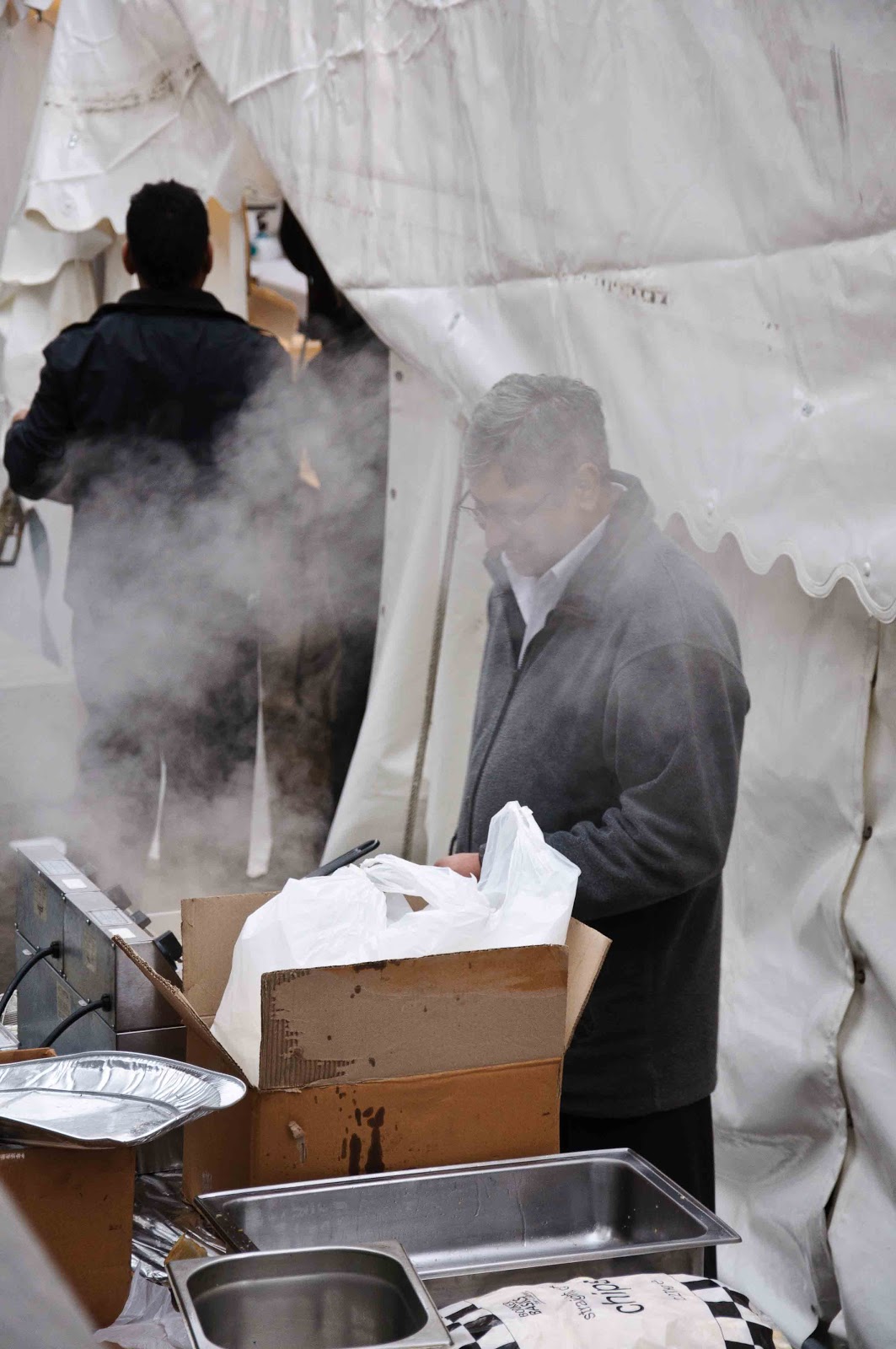
I was able to zoom down from a wall on the back of the food stalls and I got this shot of a man cooking chips.  I like the way he semi lost in the steam from the fryer.  

As it was Diwali I had to get a shot of someone wearing a turban.  There weren't that many people there wearing a turban but I saw this man and thought he looked very proud with his flag.  Standing back enabled me to shoot him without him becoming aware of me but it was difficult to get the right shot as people kept walking in and out of the frame.  I think I got a good shot in the end.  

I also took these images whilst out and about shooting in town.

There is a bit of distance in this shot from the subject but he is isolated from the background.  I like the perspective.

You feel very far away from the subject in this shot. 

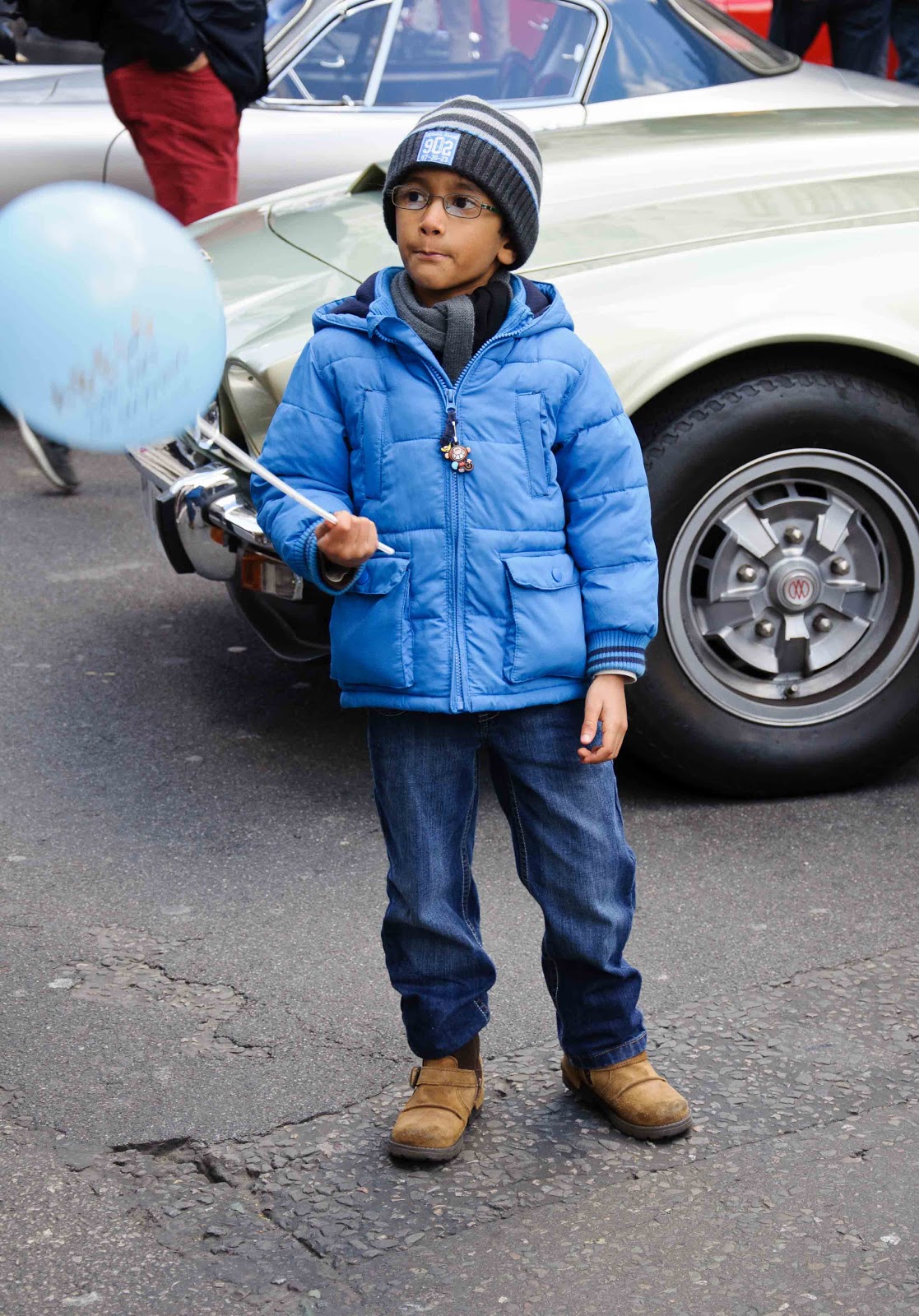
There is also distance between the viewer and the child in this image.  However because he is running it works better that the above. 


Advantages of working with this focal length
  • It was easier to remain 'hidden' from your subject and less likely for them to become aware of your presence. 
  • Good for blurring backgrounds which can be very distracting
  • Easier to separate your subject from their background. 
  • Perpective is good - as in less distortion
Disadvantages
  • Passers-by tend to get in the frame as you are about to take the shot
  • Have to have a fast shutter speed to get sharp images which is the bane of my life this winter
  • Sometimes you find yourself too distanced from the action

Wednesday, 21 November 2012

The effect of focal length on shooting

Although we touched on this in the first part of the course it is worthwhile visiting focal length again in this context.

Telephoto
Separates you from your subject in physical distance and in the sense of involvement making it easier to shoot without being detected.  Using a telephoto lens helps you isolate your subject from the background which is very useful in street photography and depth of field is relatively shallow.  This means that focussing is important.

Flattens or compresses the image.

Wide angle
I wide angle lens has two main purposes - drawing the viewer into the scene and putting the subject firmly in their surroundings.  However, because you shoot from just a few feet away from the subject it can make you more obvious.

The value of wide angle shooting is it allows you to capture the subject's environs which may or may not be important to the shot.  It can tell the viewer more about the person, their life or what they are doing.

Stretches the image.

Standard focal length
This refers to a view that approximates what we see with the naked eye.  For the purposes of street photography standard means non-insistent with no special graphics or distortion applied to the image.

This enables you to shoot with one eye on what is going on around you.  It provides less of a distraction.

The next few exercises for this section of the course are going to focus on shooting at these differing focal lengths.

Friday, 2 November 2012

Exercise 10: Capturing the moment

For this exercise I had to find a comfortable situation and concentrate on bursts of activity from which I have to capture the 'best' moment.

I decided to use the opportunities I have had lately to indulge in a few photowalks around London to look for these burst of activity.

The brief for this looked fairly straightforward but I was unprepared for the fact of how difficult it is to actually capture the moment.  The 'moment' is so easily missed as often it happens so quickly it is gone before you had the opportunity to realise it was going to happen.

It took some time before I found anything that was suitable for this exercise.  I came across this lady busking on Southbank near the Globe theatre and decided to shoot.  At first I tried to observe her movements shooting only when I thought a moment was presenting itself.  However, her movements proved to be too quick and unplanned for me so I decided to shoot at any time she was well positioned in the frame and where passers by were out of the way.

This is the moment.  I like the way I have captured her singing and her positioning presents the movement/dance she was carrying out as she played.  Her mouth is open so you can clearly tell she is singing and her eyes look like they are making contact with someone - she is performing for someone.

I found it particularly difficult to capture her with her eyes opening as she was closing them a lot as singers do and it didn't look quite right.


Here is another shot in which you can see St Paul's in the background and the performer's movement.  


As I wandered around Southbank I came across this three piece outside the Tate Modern.  Far from entertaining the public they were irritating them by playing the same song over and over again.  However, they looked like they were enjoying themselves and I wanted to capture this.  


The difficulty here lay in trying to get all their expressions right and to get them looking at the same thing in this case the camera.  I really like the guy on the left, dancing around to his music.  I feel that the moment here was capturing the fun these guys offered.  

The next image I shot in Trafalgar Square.  This man was preaching about God and spreading the word but he was also dancing around to keep warm as it was a cold day.  I took a few shots and here is my favourite. I like the pained expression on his face and the way he is holding the placard makes it look like it is really heavy.  He also looks like he is either reading off the placard or talking to it.  There is a lot going on and so many possibilities.  


And my final image is this young lady on her phone.  I like the way she has two phones one in either hand and how the world is passing her by while she it still.  So many people are oblivious to what is going on around them when they are on the phone.  However, she does spot me and at that is the moment I captured.  


I quite enjoyed this exercise and I feel that my skills for spotting potential moments have improved.  I have learnt to work a lot quicker than I am used to.  I have also learnt to shoot everything you see as these 'moments' are hard to find.  


The moment

In un-posed photography with subjects unaware the people in front of the camera present a fluid situation.  They move about and interact without any input from you the photographer.

The difference between and average image and a compelling one is capturing a certain moment - a moment that is more interesting, dynamic, unusual or graphic than the ordinary.

Henri Cartier-Bresson coined the phrase 'the decisive moment' to describe this key quality.  He defined it as 'the simultaneous recognition, in a fraction of a second, of the significance of an event as well as the precise organisation of forms which gives that event its proper expression'.

The moment hinges on what your subject is doing - their most striking expression, or action or gesture.  IN some cases in might depend on how you choose to frame the shot.


Saturday, 27 October 2012

Exercise 9: Developing your confidence

For this exercise I had to choose an outdoor situation where there would be lots of people and shooting potential.

The task was to take as many shots as comfortably possible in one session.

I chose a trip to Oxford Street for this exercise.  The day and location presented many challenges for me which led to a very demanding session.

Firstly the day was very overcast and wet and this greatly reduced my shutter speeds so my first few images were very blurred.  I increased the ISO and this improved a bit however I still wasn't 100% with the results.  I have learned the difficulty of shooting moving people on an overcast day.

The other difficulties that I encountered were people.  I found it easy to see potential shots but as the streets were so busy I found that random people were getting into the frame far too often and ruining my shots!  So I decided to move to some side streets with less people.  This in turn brought less shooting potential.

In relation to my comfort levels I suppose I was a little apprehensive for the first couple of minutes as I usually shoot in the City area where people don't tend to take much notice of you.  There is also significantly less people on the streets of the city during the day in comparison to one of the busiest shopping streets in the UK.  However I did set out to challenge myself and this I certainly did.

I took about 100 odd shots before I had to call it a day due to time restrictions and the weather.  I can't say I felt intimidated or lacked confidence whilst on the street.  I just saw potential shots, framed them and pressed the shutter button before walking away.  I didn't make any eye contact with the subjects etc despite the fact that some looked like the may have clocked me.

Here are some of the best images from the day.

One of my first shots and a warm up.  I liked the blue background and wanted to capture the pace of people on Oxford street.  

Everywhere I looked all I could see was people on their phones.  I can't say I noticed it so much before.  When people are preoccupied with their phones they are oblivious to their surroundings most of the time.  I wanted to capture her pose and concentration on her mobile as the world passed her by.  

In among the frenetic pace of the street I saw this man sitting alone and watching the world go by.  I think this shot would have been better is I had got a closer shot but then I risked him spotting me and I would also have missed the hustle and bustle which I wanted to include in the shot.  With people getting in the frame and walking into you this was the best I could achieve before my subject left the scene.  

I shot this from across the street and had to crop some unwanted (incomplete) people out of the left of the frame.  I like the reflections of the people in the window and also the people inside which is clearer in a monochrome conversion.  The lights indoors were too distracting.  I like this man's pose as he sits and smokes and looks like he has a lot on his mind. 

Shot purely for the colour.  

Doing the lottery.  Even if she doesn't win she's made her way on to my blog.  

A lone figure down a side street.  

The first cold day in months and this man has been to John Lewis to get his new quilt.  

Donning your umbrella when the rain has stopped. 

I think this is my favourite.  I lied the dog and the colours of the red phonebox and the turquoise shoes.  I like the sense of movement in the shot too.  

People unaware

The street is an arena for a wide range of human activity.  Street photography requires the least amount of equipment - camera (the more discreet the better) and a small bag.  The idea is to look less conspicuous so you can explore and shoot life on the streets.

In street photography nothing is pre-planned.  You have to rely totally on your powers of observation and anticipation.

True street photography requires you to shoot people without them knowing or without stopping for permission or to explain what you are doing.  This will ensure that you get a good view or situations that are real and natural.

Emphasis is on being unobtrusive, spotting potential good shots in advance and shooting quickly.  The trick is not drawing attention to yourself, move quickly and keep your equipment to a minimum.

It is all about preparation and anticipating the shot.  You need to be quick because often 'the shot' is a fleeting moment is gone as soon as you see it.

I have more experience of shooting on the streets that I have of shooting formal type portraits so I am looking forward to this part of the course.

Here are some of the images I have taken on the streets to date for other OCA courses and at leisure.